
The short answer
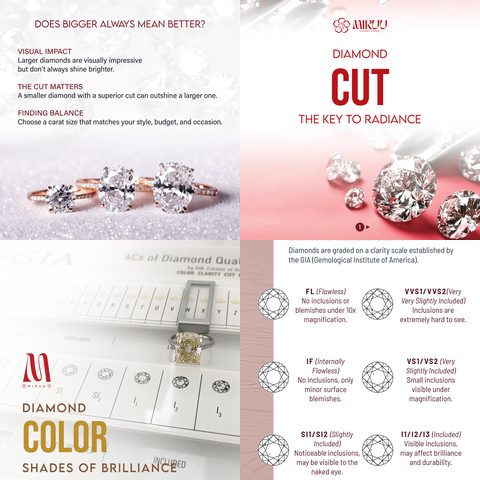
Diamond cut describes how well a diamond's proportions, facets, polish, and symmetry handle light. If sparkle is the goal, do not judge by carat weight alone. A slightly smaller stone with stronger cut quality can look brighter than a larger stone with weaker light return.
If sparkle matters, cut is the C to protect.

People often ask for a "diamond cut" when they mean round, oval, pear, or emerald. That confusion matters because shape is style, while cut quality is performance. When you are choosing an engagement ring, both choices matter, but they answer different questions.
Shape is the silhouette; cut is the performance
Shape is the outline you see from above: round, oval, cushion, pear, marquise, emerald, and similar styles. Cut quality is the workmanship and geometry that determines how well the stone returns light. A round diamond can be well cut or poorly cut. An oval can face up gracefully or look dull. The name of the shape does not answer the sparkle question by itself.
Start with the look your partner likes, then move into performance. For an elongated oval, ask about proportions, brightness, and pattern. For a round brilliant, review cut grade, polish, symmetry, and how the diamond looks in normal viewing.

A lively smaller stone can beat a dull larger one
Diamond sparkle is not magic language. It comes from light entering the diamond, reflecting inside it, and returning to the eye. GIA describes buyer-visible light effects with terms such as brightness, fire, and scintillation. You do not need to memorize those terms, but they help explain why cut affects the feeling of a diamond.
When the proportions are working well, the diamond can look bright and lively. When proportions are weaker, light may leak through the stone instead of returning upward. A bigger diamond is not automatically stronger on the hand. Carat gives presence; cut gives life.
Use the report to shortlist, then use your eyes
For round brilliant diamonds, GIA cut grades range from Excellent to Very Good, Good, Fair, and Poor. That scale can help you sort round diamonds, especially when combined with polish and symmetry details. For fancy shapes such as oval, pear, emerald, and cushion, appearance often needs a closer look because grading is less straightforward for a beginner.
Let grades narrow the shortlist, then look at the diamond as a ring candidate. Ask whether the stone looks bright, whether the pattern is pleasing, and whether the setting supports the look you want. A report is useful, but it is not a substitute for reading the finished impression.
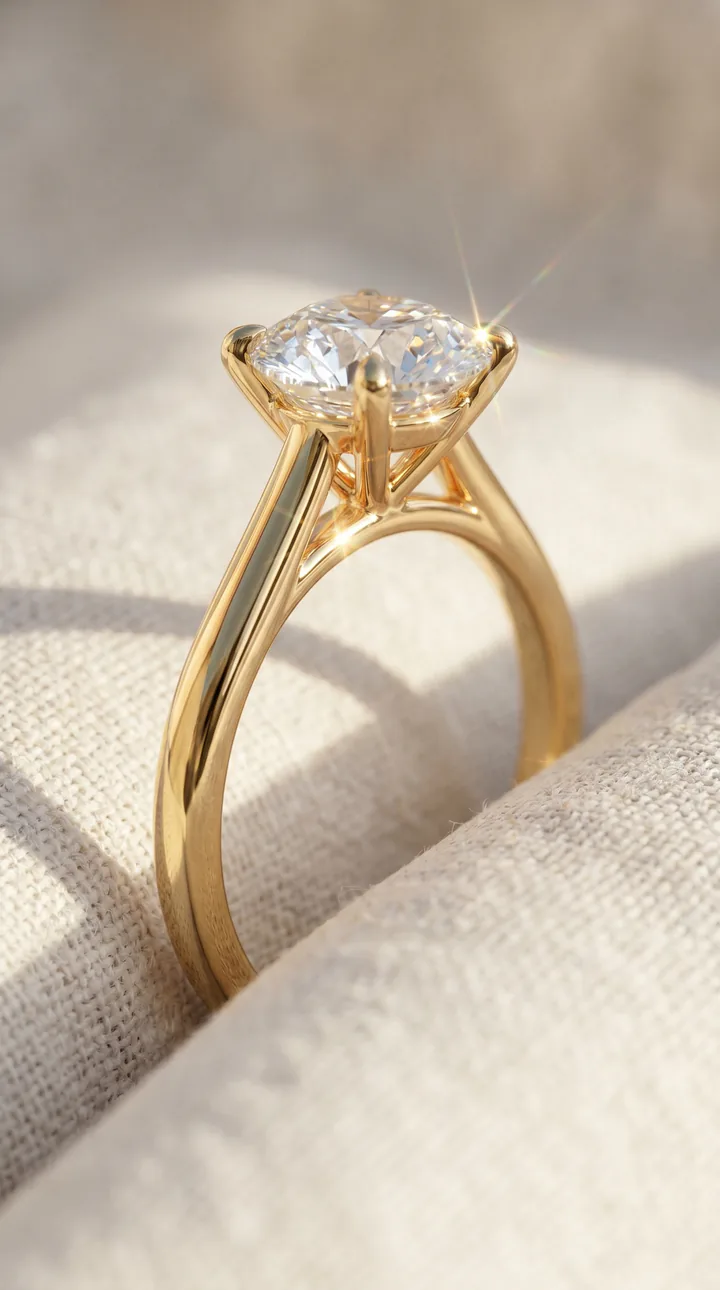
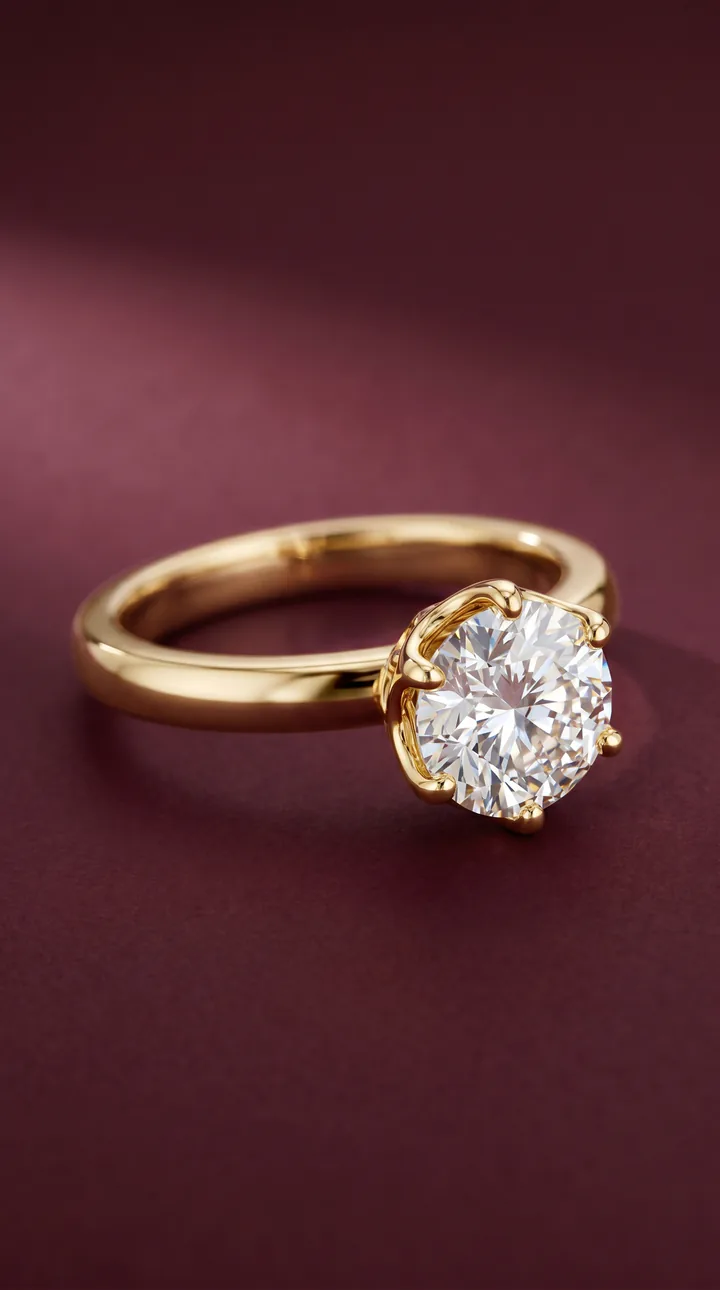
Use the report to shortlist; use your eyes to choose sparkle.
Where cut is worth protecting
If sparkle is one of your top priorities, protect cut before chasing a larger carat number. If size is the top priority, still avoid a stone that looks flat. In a detailed setting, ask whether the design draws attention to brightness or makes size more noticeable than fire.
Put two stones side by side: one slightly larger with acceptable light behavior, and one slightly smaller with stronger light return. The stronger option is the one your partner is more likely to notice on the hand.
Have a stone shape in mind?
Include the shape, carat range, and ring peg. Ask what cut details deserve attention before you trade sparkle for size.
Ask which cut details matterWhere buyers get cut wrong
- Calling shape and cut the same thing. Shape is style; cut quality is light behavior.
- Choosing carat before sparkle. A larger stone can still look quiet if the cut is weak.
- Reading the report without looking at the stone. Grades help narrow the field, but visible appearance matters.
- Assuming every fancy shape behaves like a round brilliant. Ovals, emeralds, pears, and cushions need shape-specific viewing.
If you remember three things
- Cut affects brightness, fire, scintillation, and overall life.
- Shape is not the same as cut quality.
- Round brilliant diamonds have cut grades to guide the shortlist; fancy shapes need careful visual review.
- Cut is often worth protecting when the goal is a lively engagement ring.
What to ask any jeweler, including Miruu
- Is this diamond bright for its shape and size?
- For a round brilliant, what are the cut, polish, and symmetry details?
- Would a slightly smaller diamond with stronger cut quality be better on the hand?
- How does this shape behave differently from a round brilliant?
FAQ
Is diamond cut the same as diamond shape?
No. Shape is the outline or style, such as round, oval, emerald, or pear. Cut quality is about proportions, facets, polish, symmetry, and light behavior.
Why does diamond cut affect sparkle?
Cut affects how light enters, reflects, and exits the diamond. Stronger light return usually makes a diamond look brighter and livelier.
Should I choose cut before carat?
If sparkle is a priority, protect cut quality before increasing carat weight. Ring style and stone options shown in consultation still shape the answer.
What are GIA cut grades for round diamonds?
For round brilliant diamonds, GIA cut grades range from Excellent to Very Good, Good, Fair, and Poor.
References
For cut terminology, start with GIA cut-grade education and GIA 4Cs education. Cut grades help narrow the shortlist, but sparkle still needs to be judged in the stone and setting you are considering.
Related guides


Want help reading sparkle?
Include your ring peg, shape, and budget range. Ask to review cut quality, setting, and size side by side.
Review cut with a ring peg