
The short answer
Diamond carat measures weight. One metric carat is 200 milligrams, or 0.2 grams. Bigger can be right, but the better question is how much presence the ring needs once cut, shape, and setting are part of the picture.
Choose carat for presence, not bragging rights.

Weight is measured on a scale; presence is judged on the hand
Carat is a measurement. It tells you how much the diamond weighs, not whether it sparkles, looks white, or appears clean to the eye. A buyer can spend more to reach a larger carat weight while missing the details that make the diamond attractive in a ring.
Treat carat as a presence choice. If your partner likes a quiet, refined ring, a balanced stone may matter more than a large number. If your partner likes a bold center stone, carat and face-up presence become more important, but cut still needs attention.
Two diamonds with the same carat can look different
Two diamonds can share the same carat weight and still look different from above. Shape affects spread. Cut proportions affect how much of the weight is visible face up. Setting height, band width, and prong style can also change perceived size.
Look at the stone as it will be worn. Ask how large it appears on the hand, how it sits in the setting, and whether a different shape gives the presence you want without relying only on higher weight.

Round-number carats are easy to overbuy
Popular round-number weights can feel psychologically important, but the eye may not see a dramatic difference once the diamond is set. A stone just below a familiar weight can sometimes leave room for cut quality, color, clarity, or setting detail. Avoid price tables here; judge what changes visually instead.
If the ring needs to feel generous, give carat and setting presence more attention. If sparkle is the main goal, choose a carat range that protects cut. If the amount is fixed, put a size-forward option beside a quieter, more balanced one.
Carat should earn its place in the design, not win by default.
Looking at two carat options?
Include the ring peg and the two stone weights. Ask which option gives the better hand presence after cut, shape, and setting are considered.
Compare two carat optionsA setting can make a smaller stone feel more generous
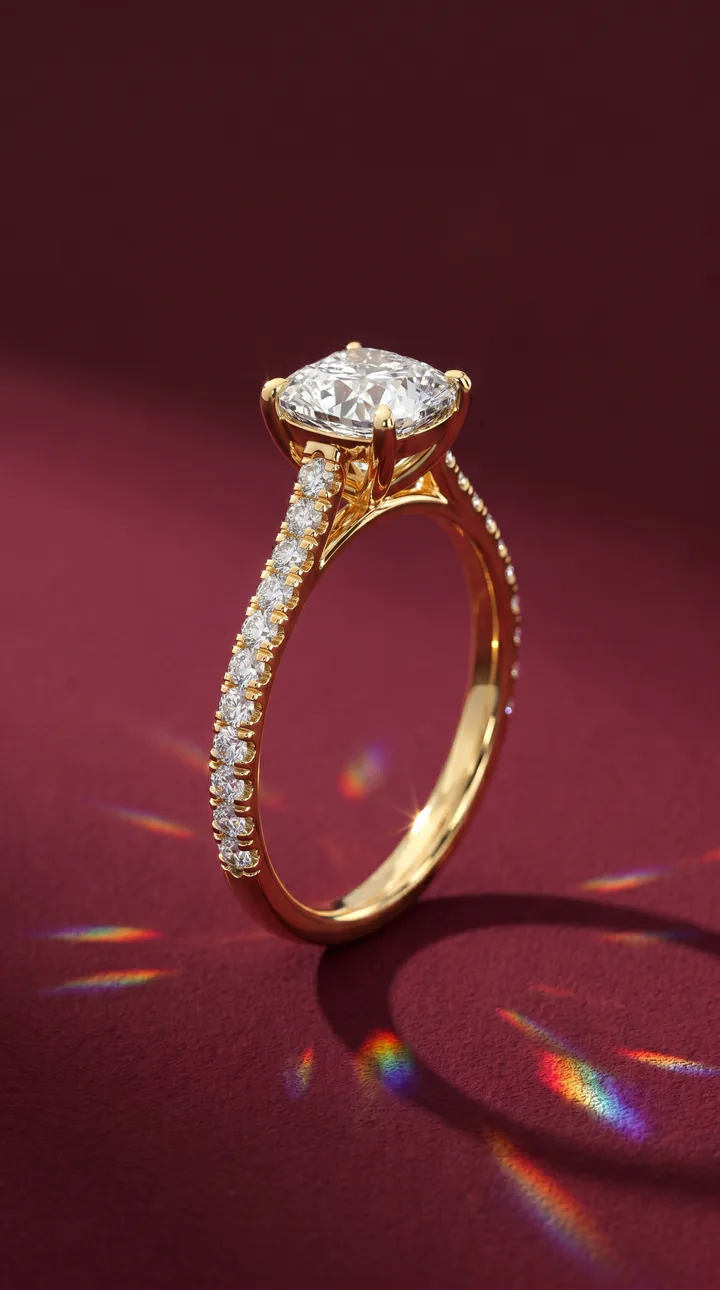
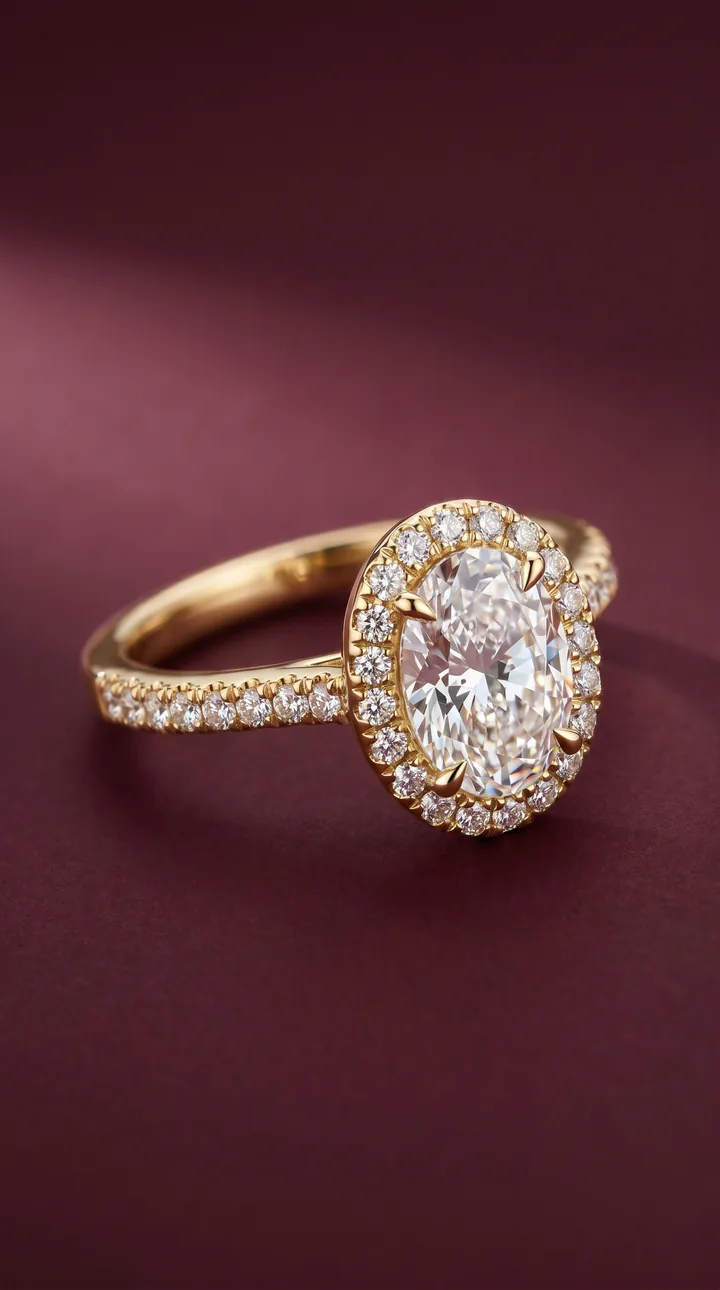
A delicate band can make a center stone look more prominent. A halo can increase overall finger coverage. A lower setting can feel more practical but may make the profile quieter. These are design choices as much as diamond choices.
For a custom ring, this is where carat becomes part of the design conversation. The same diamond can feel different in a solitaire, cathedral, halo, or more detailed setting. Choose carat with the whole ring in mind.
Where buyers get carat wrong
- Equating carat with quality. Carat is weight, not sparkle or beauty.
- Ignoring face-up size. Shape and proportions affect how large the stone appears.
- Spending all flexibility on weight. More carat can reduce room for cut, setting, or other visible details.
- Choosing a number before choosing a ring style. The setting can change what carat range feels right.
If you remember three things
- One metric carat is 200 milligrams.
- Carat affects weight and presence, not automatic beauty.
- Visible size comes from shape, cut proportions, setting, and finger coverage.
- Choose a carat range after you know the ring style and sparkle priority.
What to ask any jeweler, including Miruu
- How large will this stone look once set?
- Can I see a larger stone beside a smaller but brighter one?
- Would a different shape or setting create more presence?
- Where should I be flexible if I want the ring to feel balanced?
FAQ
What does diamond carat mean?
Carat measures diamond weight. One metric carat is 200 milligrams, or 0.2 grams.
Is a higher carat diamond always larger-looking?
Not always. Shape, cut proportions, and setting can make two diamonds of the same carat weight look different in size.
Should I choose carat before cut?
If visible size is the priority, carat matters. If sparkle matters, protect cut quality while choosing a carat weight that fits the ring.
Can the setting make a diamond look larger?
Yes. Setting style, band width, halo details, prongs, and finger coverage can all affect how large the center stone appears.
References
For carat terminology, start with GIA carat-weight education and GIA 4Cs education. Carat is a weight measure; the ring still needs to be judged by face-up presence, cut, shape, and setting.
Related guides


Not sure what carat size to choose?
Include your ring peg, target look, and budget range. Ask how carat weight would sit beside cut, setting, and partner preference.
Ask what carat fits the ring